
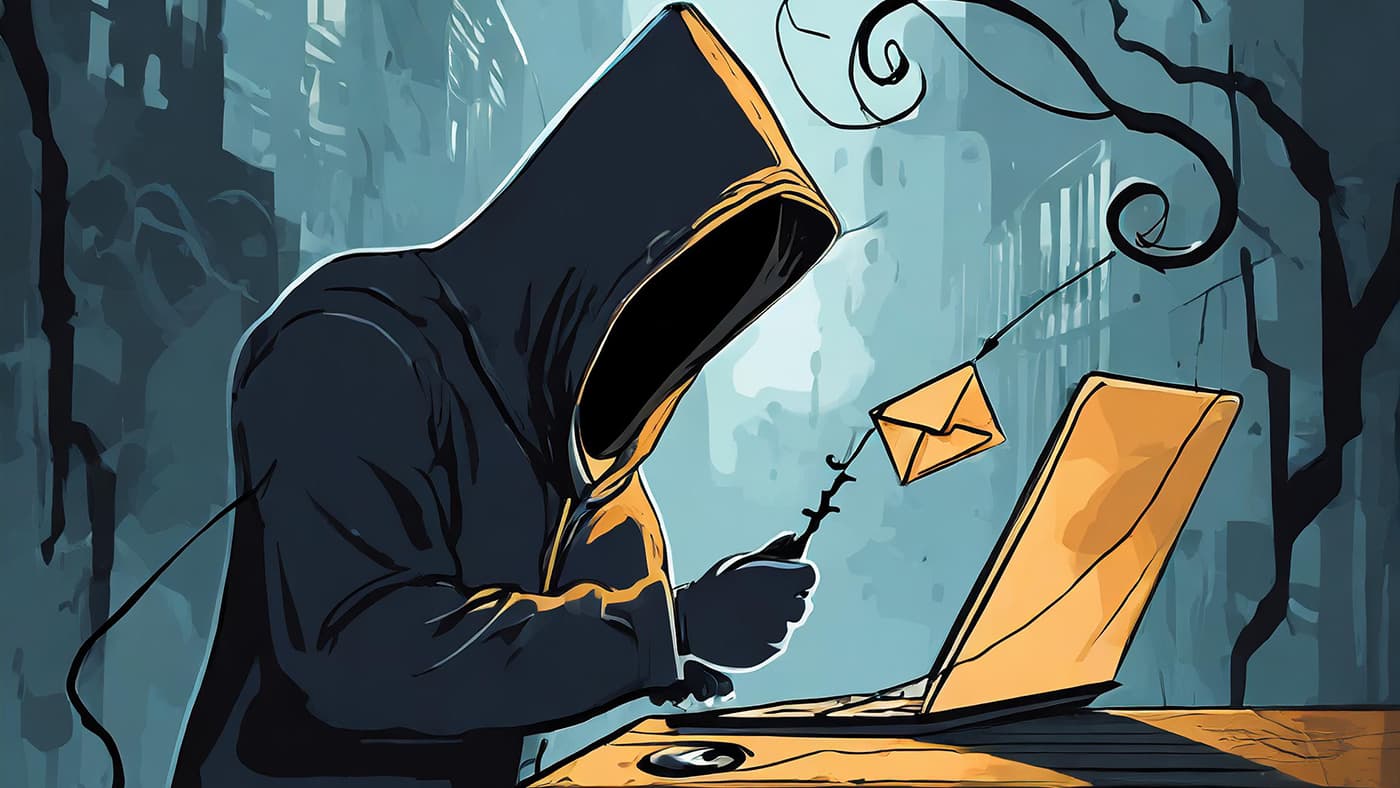
AI-generated phishing emails now account for 82.6% of all phishing activity, achieving 54% click-through rates, compared to 12% for traditional phishing emails. In 2025 alone, cybercriminals are projected to launch 28 million AI-driven phishing attacks, while organizations using AI-powered defenses are reducing average breach costs by $1.9 million per incident.
Phishing has entered a new era. What was once mass spam sent manually is now machine-generated, hyper-personalized, and deployed at industrial scale.
The AI Phishing Explosion in 2025
Cybercriminals increasingly rely on large language models—advanced ChatGPT-style systems—to generate highly convincing phishing emails that evade traditional security filters.
Key shifts in 2025:
- 82.6% of phishing emails now use AI for text generation, obfuscation, or hyper-personalization
- This represents a 53.5% increase compared to 2024
- Phishing has evolved from volume-based spam into precision-targeted social engineering
Attackers analyze LinkedIn profiles, social media activity, public records, and company websites to craft emails referencing:
- Real colleagues
- Internal projects
- Ongoing business activities
These messages appear legitimate, context-aware, and urgent—making them far more difficult for users and legacy filters to detect.
Global Volume Surge
- Phishing email volume increased by 202%
- Credential-based attacks surged 703%
- One in four phishing emails now bypasses traditional email security
- Email remains the leading breach vector, responsible for nearly 16% of security incidents
Why AI-Generated Phishing Works
AI removes the classic warning signs of phishing—poor grammar, awkward phrasing, and generic templates—and replaces them with polished, human-like language tailored to each target.
Performance comparisons show:
- AI-generated phishing achieves 54–60% click-through rates
- Traditional phishing averages around 12%
- Effectiveness now rivals campaigns crafted by skilled human attackers
Traditional vs AI Phishing Performance
| Metric | Traditional Phishing | AI-Generated Phishing | Impact |
|---|---|---|---|
| Click-Through Rate | 12% | 54–60% | 4–5× higher |
| Cost per Campaign | Baseline | 95% lower | Fully automated |
| Creation Speed | Hours | Minutes | ~40% faster |
| Filter Evasion | Mostly detected | Significantly higher | Adaptive content |
Automation has reduced phishing costs by 95%, enabling attackers to generate dozens of email variants per hour using freely available tools.
Business Email Compromise (BEC) attacks have risen 37%, increasingly combined with AI-generated voice and video deepfakes, resulting in multi-billion-dollar financial losses worldwide.
How Defenders Are Using AI to Fight Back
Organizations deploying AI-driven security solutions are seeing measurable improvements:
- 60% faster threat detection
- Breaches contained over 100 days sooner
- $1.9 million average savings per incident
Modern AI defenses analyze:
- Sender reputation and historical behavior
- Writing-style consistency across communications
- User behavior and access patterns
- Contextual anomalies within emails
Leading systems now achieve near-perfect phishing detection accuracy in mature environments.
Key AI-Powered Defense Capabilities
-
Behavioral analytics Detects abnormal login times, access patterns, and data movement—especially critical in hybrid and remote work environments.
-
Advanced email security gateways Use AI sandboxing, content analysis, and real-time threat intelligence to block adaptive phishing attempts.
-
Anomaly detection Establishes behavioral baselines to identify previously unseen attack techniques. Notably, most security analysts report that AI phishing is far harder to detect manually.
Adoption and ROI
-
Over half of enterprises now use AI-powered security tools
-
Strongest impact areas:
- Cloud security
- Network security
-
Average return on investment exceeds 7×, with supply chains showing the highest gains
2025 Snapshot: The AI Cyber Arms Race
| Metric | 2025 Reality |
|---|---|
| Organizations Hit by AI Attacks | 87% |
| CISOs Reporting Major Impact | 78% |
| AI Phishing Adoption | 82.6% |
| Projected AI Attacks | 28 million |
| Average Detection Time | 11 minutes |
| Human Deepfake Detection Accuracy | 24.5% |
Industry and Regional Impact
-
North America experienced a sharp rise in AI-driven breaches
-
Most targeted sectors:
- Manufacturing
- Financial services
Deepfake-enabled attacks are accelerating rapidly, with AI-generated files and impersonation incidents growing at unprecedented rates.
Actionable Defenses to Put in Place Before 2026
AI phishing is not a future threat—it is an active, daily risk. Organizations must adopt multi-layered, AI-enabled security strategies.
What Organizations Should Do Now
-
Deploy AI-powered email security with continuous threat simulation
-
Conduct quarterly employee training focused on AI-driven phishing tactics
-
Enforce multi-factor authentication (MFA) across all systems
- AI can crack most common passwords in seconds
-
Audit vendors and supply chains, a frequent breach entry point
-
Implement Zero Trust architecture to limit damage after compromise
Small businesses remain especially vulnerable:
- 43% of cyberattacks target SMBs
- Attacks occur every few seconds
- Only a small fraction are adequately prepared
Future Outlook: Can Defenders Keep Up?
The AI cybersecurity market is growing rapidly, projected to expand from $28.5 billion in 2025 to over $136 billion by 2032.
While attackers automate faster than ever, defenders are closing the gap using:
- Predictive threat analytics
- Automated incident response
- Agentic AI capable of real-time decision-making
These advances are already reducing breach dwell time from weeks to minutes.
Final Takeaway: By 2026, AI-powered security will be mandatory, not optional. As attackers continue to evolve, organizations that fail to modernize defenses risk being outpaced by machines. In the AI era of cybersecurity, success depends on how effectively your AI can defend against theirs.

Enjoyed this article?
Subscribe for more cybersecurity insights.